
 English
 Portugues
 Français
 العربية
 ไทย
ไทย Indonesia
 Melayu
 Tiếng Việt
 中文
中文 қазақ
қазақ עִברִית
 မြန်မာ
 ພາສາລາວ
 Filipino
 o'zbek
 Кыргызча
 тоҷикӣ
 ខ្មែរ
ខ្មែរ Türkmenler


Seawater Desalination equipment is designed to convert seawater into freshwater by removing dissolved salts, suspended solids, microorganisms, and other unwanted substances. With freshwater resources becoming limited in many coastal and remote areas, seawater Desalination Equipment has become an important option for industrial, municipal, marine, commercial, and island water supply applications.
Choosing suitable seawater desalination equipment requires more than simply comparing equipment prices. Different types of seawater desalination equipment use different treatment principles, components, capacities, and operating methods. Project conditions, seawater quality, freshwater demand, installation space, energy supply, final water quality, and maintenance requirements all need to be considered.
This guide explains the main types of seawater desalination equipment, common Equipment Components, factors affecting equipment costs, and practical Equipment Maintenance requirements. Understanding these factors can help users evaluate desalination equipment more effectively and select a system suitable for their specific application.
What Is Seawater Desalination Equipment?
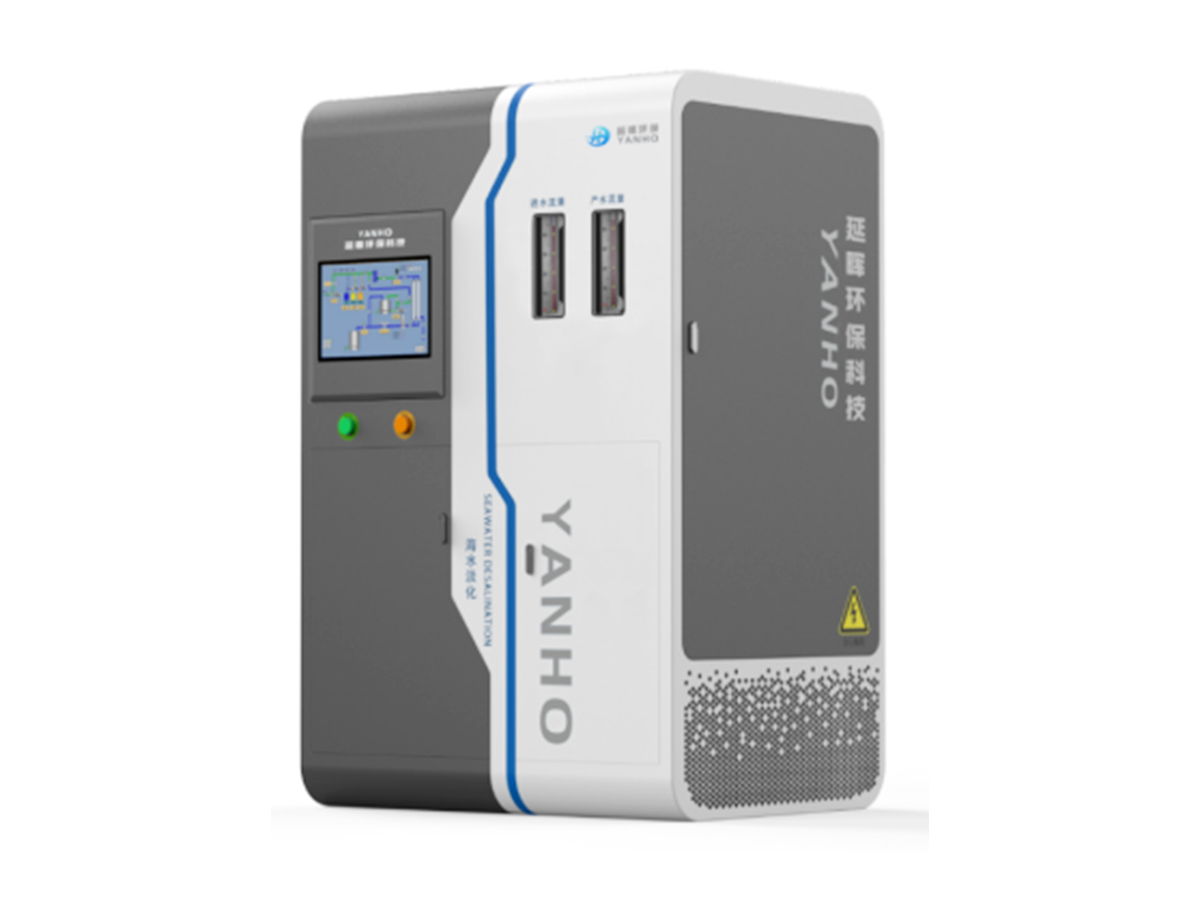
Seawater desalination equipment is a complete water treatment system used to separate salts and other contaminants from seawater. The treated water can be used for different purposes depending on the treatment process and final water quality requirements.
Modern seawater desalination equipment can be designed in different sizes and configurations. Compact systems may be used on ships, islands, offshore facilities, and small coastal sites. Larger seawater desalination equipment can be used for industrial plants, municipal water projects, coastal communities, hotels, and other facilities with higher freshwater demand.
Most seawater desalination equipment contains several treatment stages rather than a single machine. A typical system may include seawater intake, pretreatment, filtration, high-pressure pumping, membrane separation, post-treatment, freshwater storage, and control equipment.
Main Types of Seawater Desalination Equipment
There are several types of seawater desalination equipment based on the technology used to remove salts from seawater. The most common categories include membrane-based systems and thermal desalination systems.
Reverse Osmosis Seawater Desalination Equipment
Reverse osmosis seawater desalination equipment uses pressure to force seawater through a selective membrane. The membrane allows water to pass through while rejecting a large proportion of dissolved salts and other substances.
RO seawater desalination equipment is widely used because it can be configured for different capacities and applications. The system normally consists of pretreatment equipment, high-pressure pumps, RO membranes, pressure vessels, control components, and supporting equipment.
The performance of reverse osmosis seawater desalination equipment depends on seawater quality, operating pressure, temperature, membrane condition, recovery rate, and pretreatment performance.
Thermal Desalination Equipment
Thermal desalination equipment separates freshwater from seawater through evaporation and condensation. Common thermal processes include multi-stage flash and multi-effect distillation.
Thermal seawater desalination equipment can be suitable for certain projects where thermal energy is readily available. Compared with membrane systems, thermal desalination equipment generally has different energy requirements, equipment structures, and operating conditions.
Containerized Seawater Desalination Equipment
Containerized seawater desalination equipment integrates major treatment components into a standardized container structure. This configuration can simplify transportation and installation, especially for remote sites, temporary projects, islands, and locations where conventional equipment rooms are difficult to construct.
Containerized desalination equipment can include pretreatment, pumps, membranes, control systems, electrical equipment, and other components within the same installation structure, depending on project requirements.
Compact Seawater Desalination Equipment
Compact seawater desalination equipment is designed for applications where available installation space is limited. These systems are commonly considered for ships, small islands, coastal facilities, marine applications, and smaller commercial projects.
Compact desalination equipment can reduce the required installation area while maintaining the main treatment functions. The final configuration should still be selected according to seawater quality, freshwater demand, and operating conditions.
Key Components of Seawater Desalination Equipment
Understanding the main equipment components is important when evaluating seawater desalination equipment. Each component has a specific function, and the complete system must be properly matched to maintain stable operation.
Seawater Intake System
The seawater intake system transfers raw seawater into the desalination process. Intake structures, screens, pumps, pipelines, and valves may be included depending on the project design.
Proper intake design helps reduce the amount of large particles, marine organisms, sand, and other materials entering the treatment system. The intake location and structure should be selected according to local marine conditions.
Pretreatment Equipment
Pretreatment is one of the most important parts of seawater desalination equipment. The purpose of pretreatment is to reduce suspended solids, particles, microorganisms, organic substances, and other contaminants before seawater enters the main desalination process.
Common pretreatment components include multimedia filters, cartridge filters, ultrafiltration units, dosing systems, and disinfection equipment. The exact configuration depends on raw seawater quality and the requirements of the downstream membrane system.
High-Pressure Pump
The high-pressure pump provides the pressure required for reverse osmosis desalination. Because the pump operates under demanding conditions, pump selection is an important part of seawater desalination equipment design.
Pump selection should consider flow rate, pressure requirements, material compatibility, energy consumption, operating temperature, and long-term maintenance requirements.
RO Membrane System
The RO membrane system is the core separation section of many seawater desalination equipment systems. Multiple membrane elements can be installed inside pressure vessels to achieve the required treatment capacity.
During operation, pressurized seawater enters the membrane system. A portion of the water passes through the membrane as permeate, while salts and other rejected substances remain in the concentrated stream.
Control System
Modern seawater desalination equipment normally includes a control and monitoring system. Sensors and instruments can monitor pressure, flow, conductivity, temperature, water level, and other important operating parameters.
A suitable control system helps operators monitor desalination equipment performance and identify abnormal operating conditions. Automated controls can also simplify daily operation and improve process management.
Post-Treatment Equipment
Depending on the application, water produced by seawater desalination equipment may require additional post-treatment. Common processes can include pH adjustment, remineralization, disinfection, polishing filtration, and other water conditioning processes.
The required post-treatment depends on the final application. Drinking water, industrial process water, cleaning water, cooling water, and other applications may require different final water characteristics.
How Seawater Desalination Equipment Works
A typical seawater desalination equipment system begins by taking seawater from a suitable source. The raw seawater then passes through pretreatment equipment to reduce suspended solids and other contaminants.
After pretreatment, the seawater is pressurized and sent to the main desalination stage. In RO seawater desalination equipment, high-pressure seawater enters the reverse osmosis membrane system. Water passes through the selective membrane, while a large proportion of dissolved salts is rejected.
The treated water may then pass through post-treatment equipment before entering a storage tank or distribution system. The concentrated seawater generated during the process must also be handled according to the project design and local requirements.
Factors Affecting Seawater Desalination Equipment Costs
Seawater desalination equipment costs can vary considerably between projects. There is no single equipment cost that applies to every desalination system because equipment configuration, capacity, seawater quality, installation conditions, and treatment requirements can all influence the total investment.
System Capacity
Treatment capacity is an important factor affecting desalination equipment costs. A system designed to produce a larger volume of freshwater generally requires more membranes, pumps, pressure vessels, pipelines, electrical equipment, and supporting components.
Seawater Quality
Raw seawater quality can also influence equipment costs. Seawater with higher turbidity, stronger biological activity, or more challenging characteristics may require additional pretreatment or more comprehensive filtration.
Equipment Configuration
The number and type of equipment components directly influence seawater desalination equipment costs. A basic RO system may require fewer components than a system with advanced pretreatment, post-treatment, automation, monitoring, and energy recovery equipment.
Installation Conditions
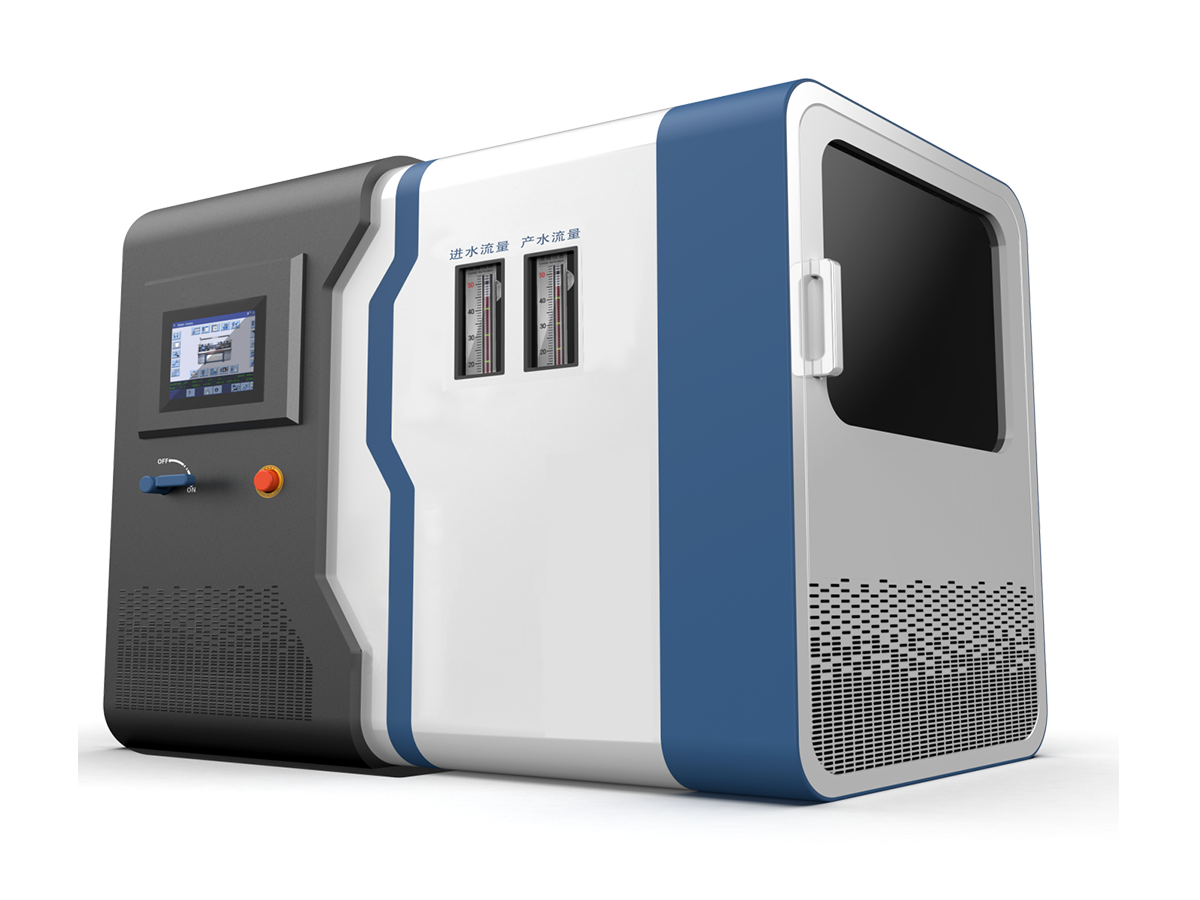
Installation conditions should also be included when evaluating desalination equipment costs. Transportation, foundations, pipelines, electrical connections, seawater intake, freshwater storage, installation work, and commissioning can all influence the total project investment.
Material Selection
Because seawater is corrosive to many conventional materials, suitable materials may be required for pumps, pipelines, valves, pressure vessels, and other components. Material selection can therefore affect the initial cost and long-term maintenance requirements of seawater desalination equipment.
Initial Cost and Operating Cost
When evaluating seawater desalination equipment costs, users should consider both initial investment and long-term operating costs. Purchasing equipment at a lower initial price does not necessarily mean that the complete project will have lower costs over its operating life.
Operating costs may include electricity, filter replacement, membrane cleaning, membrane replacement, chemical consumption, labor, maintenance, and other expenses.
For RO seawater desalination equipment, energy consumption is an important operating cost because high-pressure pumps require significant power. Pump efficiency, membrane performance, system recovery, and overall hydraulic design can affect long-term energy consumption.
Seawater Desalination Equipment Maintenance Guide
Proper equipment maintenance is essential for reliable seawater desalination equipment operation. A maintenance program should cover pretreatment equipment, pumps, membranes, valves, pipelines, electrical systems, instruments, and control components.
Filter Maintenance
Pretreatment filters should be inspected regularly. Pressure differences across filters can provide useful information about filter loading. Filters should be cleaned or replaced according to actual operating conditions.
Pump Maintenance
High-pressure pumps should be inspected for abnormal vibration, noise, pressure changes, leakage, and other operating conditions. Regular inspection can help identify mechanical problems before they affect the complete desalination equipment system.
RO Membrane Maintenance
RO membranes are critical components of seawater desalination equipment. Operators should monitor permeate flow, conductivity, pressure, and other operating parameters. Changes in these parameters can indicate membrane fouling, scaling, or other operating problems.
When membrane performance declines, chemical cleaning may be required according to the membrane specifications and actual fouling conditions. Proper pretreatment can help reduce membrane fouling and support longer membrane operating life.
Electrical and Control System Maintenance
Electrical cabinets, sensors, instruments, control panels, and communication components should be checked periodically. Accurate monitoring is important because seawater desalination equipment relies on operating data to maintain appropriate pressure, flow, water quality, and system conditions.
Pipeline and Valve Inspection
Pipelines and valves should be inspected for leakage, corrosion, abnormal pressure, and connection problems. Components exposed to seawater should receive particular attention because saltwater environments can increase corrosion risks.
How to Improve Seawater Desalination Equipment Performance
Good system performance depends on the complete design rather than one individual component. Proper pretreatment, suitable operating pressure, correct membrane selection, appropriate recovery, regular maintenance, and accurate monitoring all contribute to stable seawater desalination equipment operation.
Feedwater quality should be monitored regularly because changes in seawater conditions can affect desalination equipment performance. Operators should also avoid unnecessary changes to operating parameters and should follow suitable maintenance procedures.
Energy consumption can be managed through appropriate pump selection, efficient system design, suitable operating conditions, and effective energy recovery where applicable. These measures can help improve the overall operating efficiency of seawater desalination equipment.
Applications of Seawater Desalination Equipment
Seawater desalination equipment is suitable for many applications where freshwater resources are limited or seawater is readily available.
Coastal industrial facilities
Island water supply projects
Ships and marine vessels
Offshore facilities
Hotels and coastal resorts
Municipal water supply
Industrial process water
Remote communities
Emergency water supply
Commercial water treatment projects
For marine and offshore applications, compact seawater desalination equipment can provide freshwater without relying entirely on water transportation from land. For industrial applications, larger desalination equipment can be integrated with other water treatment processes.
How to Select the Right Seawater Desalination Equipment
Selecting the right seawater desalination equipment starts with understanding the project requirements. Users should first determine the raw seawater quality and required freshwater production capacity.
Next, the required final water quality should be established. This information helps determine the appropriate pretreatment, RO desalination, and post-treatment configuration.
Installation conditions should also be reviewed. Available space, power supply, seawater intake location, drainage, freshwater storage, transportation, and maintenance access can all influence the appropriate desalination equipment design.
Finally, users should evaluate equipment costs together with energy consumption and maintenance requirements. A complete cost evaluation provides a more realistic understanding of the long-term value of seawater desalination equipment.
Conclusion
Seawater desalination equipment is an important solution for producing freshwater from seawater in coastal, marine, industrial, municipal, island, and remote applications. Different types of desalination equipment can be selected according to project capacity, seawater conditions, final water quality, installation environment, and operating requirements.
The main components of seawater desalination equipment typically include seawater intake systems, pretreatment equipment, high-pressure pumps, RO membrane systems, control systems, post-treatment equipment, pipelines, valves, and storage systems. Each component contributes to the overall performance of the complete system.
Seawater desalination equipment costs depend on capacity, configuration, seawater quality, materials, installation conditions, and supporting systems. Users should evaluate both initial investment and long-term operating costs when comparing different equipment options.
Regular equipment maintenance is equally important. Proper filter maintenance, pump inspection, membrane cleaning, control system inspection, and pipeline maintenance can help support stable operation and reduce unexpected downtime.
By understanding the types, components, costs, and maintenance requirements of seawater desalination equipment, project owners can make more informed decisions and develop a desalination system that better matches their actual water treatment needs.
SEO Description
Explore seawater desalination equipment types, components, costs, and maintenance requirements. Learn how desalination equipment works, what affects equipment costs, how to maintain RO systems, and how to choose suitable seawater desalination equipment for different projects.
SEO Keywords
Seawater Desalination Equipment, seawater desalination, desalination equipment, seawater desalination equipment types, desalination equipment components, seawater desalination equipment costs, desalination equipment maintenance, RO desalination equipment, Seawater Desalination System, desalination equipment guide



 телефон
Комментарий
(0)